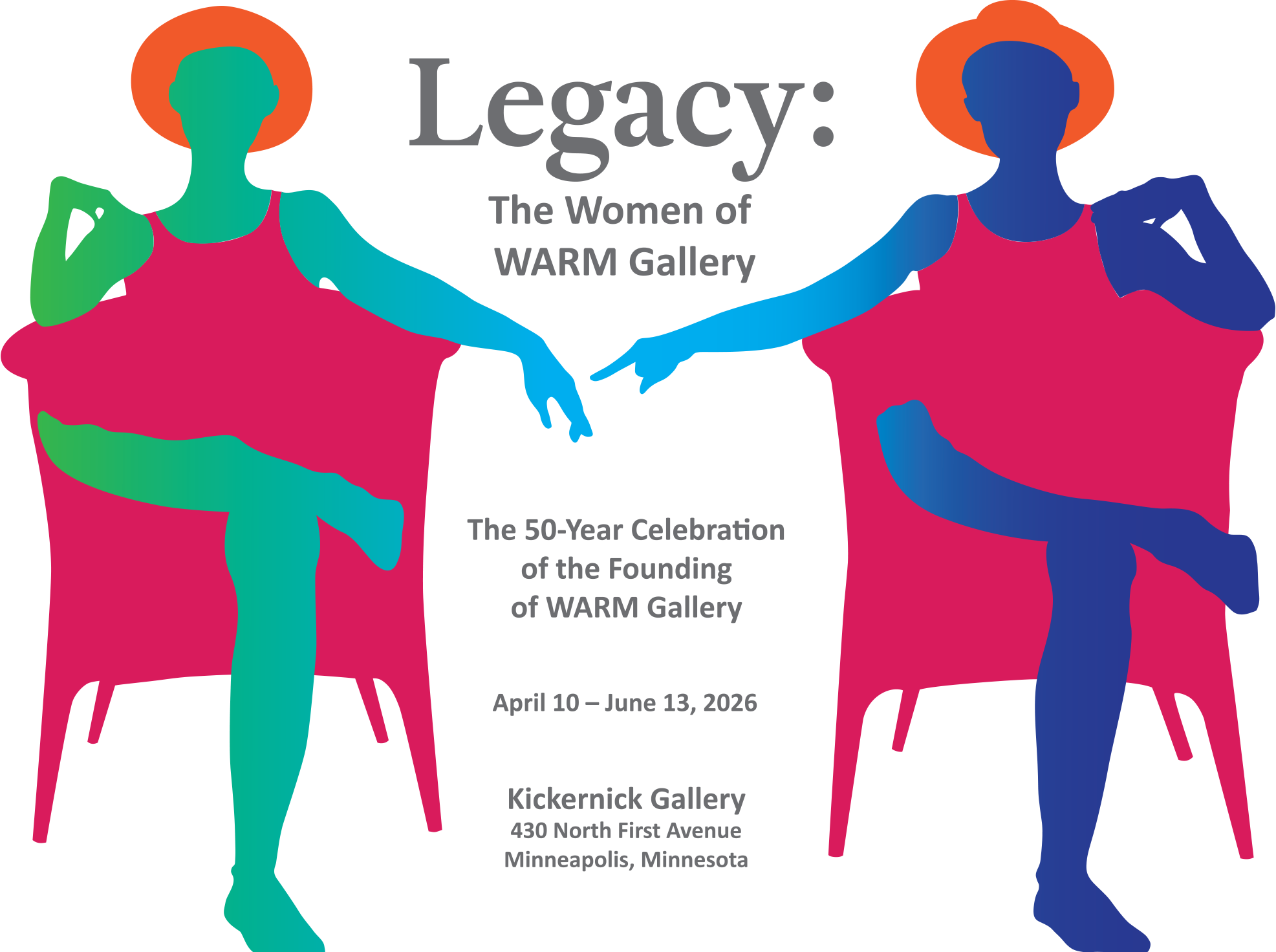
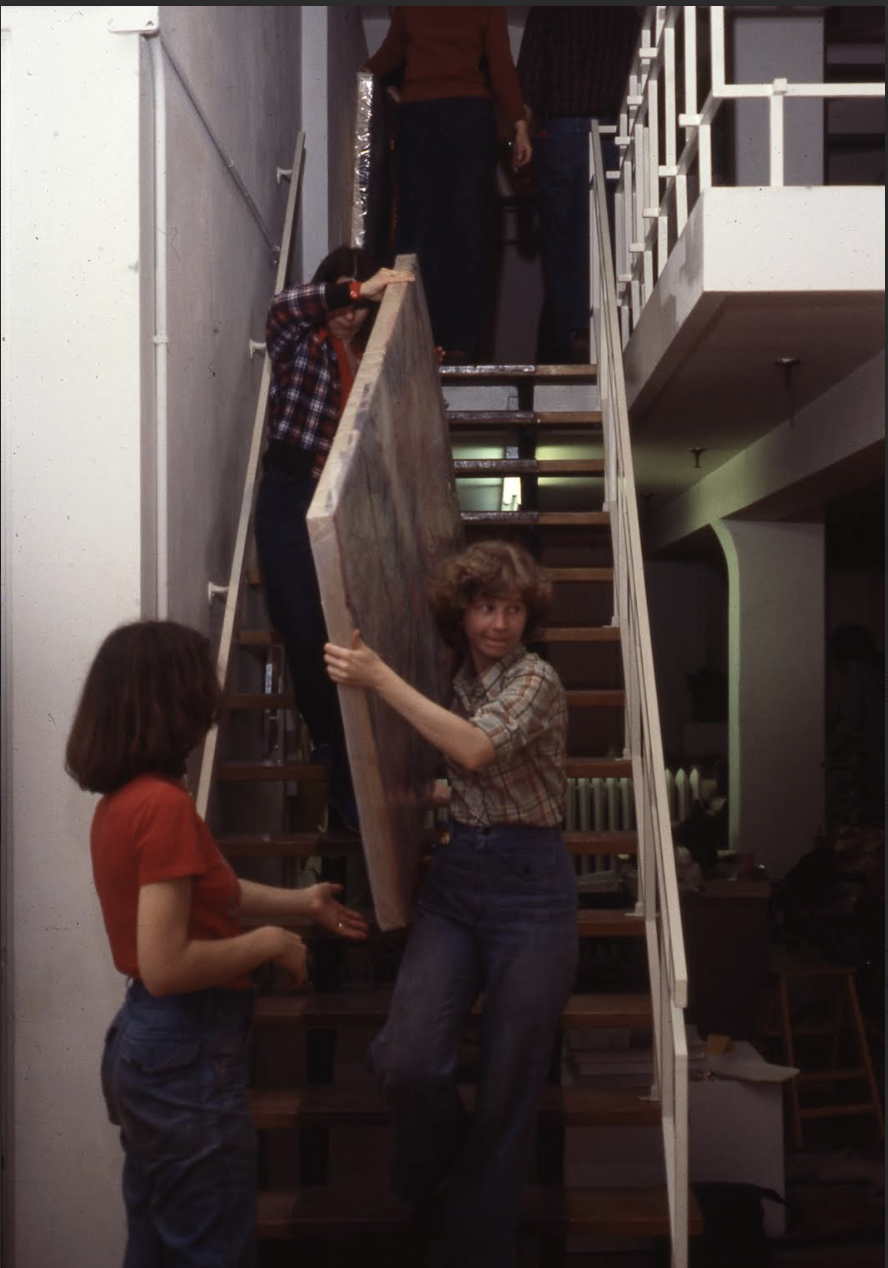
In the early 1970s, women artists in the Twin Cities were routinely overlooked by galleries, museums, and curators. A group of women decided to change that. What began as a 35mm slide registry to promote women's artwork grew into the Women's Art Registry of Minnesota (WARM) — a feminist cooperative gallery founded in April 1976 in the Warehouse District of Minneapolis that became the largest women's art collective in the country.
Built on egalitarian principles, WARM was a place where artists sat in a circle, every voice was heard, and decisions were made collectively. Over 15 years, the gallery published its own journal, hosted nationally recognized figures like Alice Neel and Lucy Lippard, launched a groundbreaking Mentor/Protégée Program, organized a national conference for women artists, and mounted exhibitions that expanded the definition of whose art mattered.
When the gallery closed in 1991, the community it built endured mounting exhibitions, running mentorship programs, and inspiring new organizations for decades to come. Fifty years later, WARM's artists are still making work, still in community, and still proving that what they built together was never just a gallery. It was a legacy.